


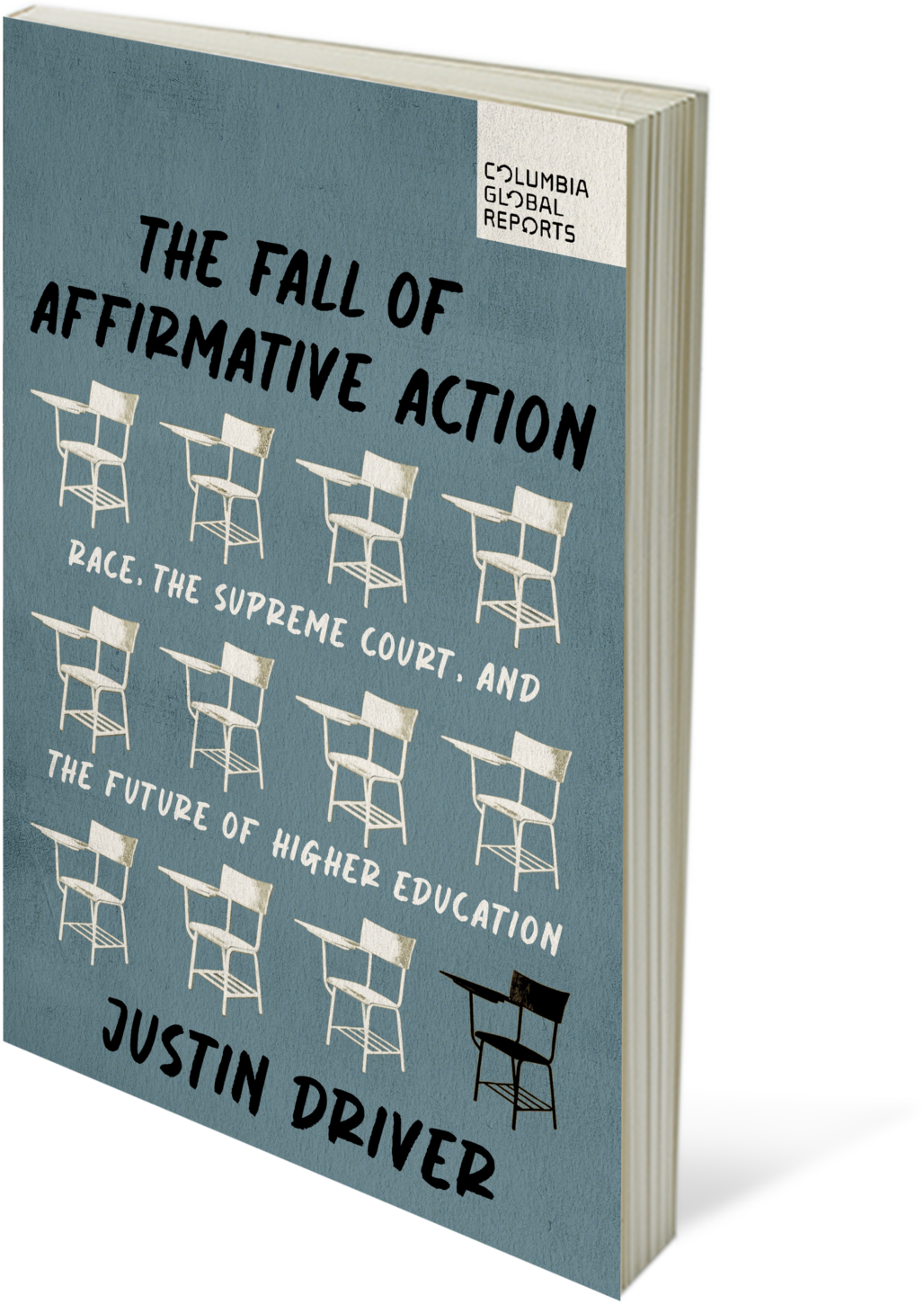
The Fall of Affirmative Action
Race, the Supreme Court, and the Future of Higher Education
By Justin Driver
Yale Law professor Justin Driver cuts through the confusion and misinformation surrounding the Supreme Court’s seismic decision to end affirmative action in Students for Fair Admissions v. Harvard, arguing that the ruling does not mark the end of racial diversity in higher education—but rather, the beginning of a new chapter in the fight for equity.
$18.00
ISBN: 9798987053768
ebook ISBN: 9798987053775
On Sale: September 16, 2025
Pages: 280
Overview
A New York Times Book Review Editors’ Choice
For decades, affirmative action reshaped not just American higher education but the broader society, opening doors that had been closed for centuries and transforming who entered the pathways to power. But the Supreme Court in 2023 killed affirmative action in Students for Fair Admissions v. Harvard, a decision hailed by the right as a triumph of conservative colorblindness and decried by the left as requiring the end of racial equity. Both sides, Yale Law School professor Justin Driver contends, are wrong.
Perversely, even when viewed through a conservative lens, the Court’s decision ushers in a less desirable admissions regime. The post-SFFA model places a new premium on students of color voicing their racial trauma in elaborate application essays, entrenching the very racial victimization and essentialism that conservatives purport to loathe. The Trump Administration’s assault on higher education has been fueled by distorted readings of SFFA, further clouding the opinion’s already opaque meaning. But SFFA, properly understood, leaves universities significant legal room to combat Trump’s anti-D.E.I. onslaught by adopting innovative policies that foster diversity—including preferences for descendants of slavery, members of tribes, and applicants from blighted communities.
Far from a mere eulogy, The Fall of Affirmative Action provides a blueprint for the future—a rallying cry for citizens to forge new paths to inclusion and push back against the notion that racial equity is doomed. The death of affirmative action, Driver insists, need not mean the death of opportunity.
No Upcoming Events
About the Author
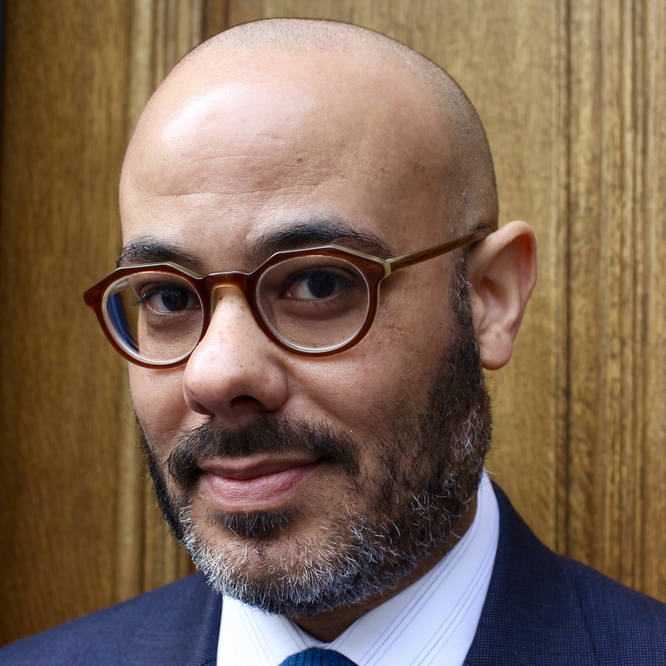
Justin Driver is the Robert R. Slaughter Professor of Law at Yale Law School. He is the author of The Schoolhouse Gate, named a Washington Post Notable Book of the Year and a New York Times Book Review Editors’ Choice. An elected fellow of the American Academy of Arts & Sciences, he was appointed by President Biden to the Presidential Commission on the Supreme Court.
Similar Titles

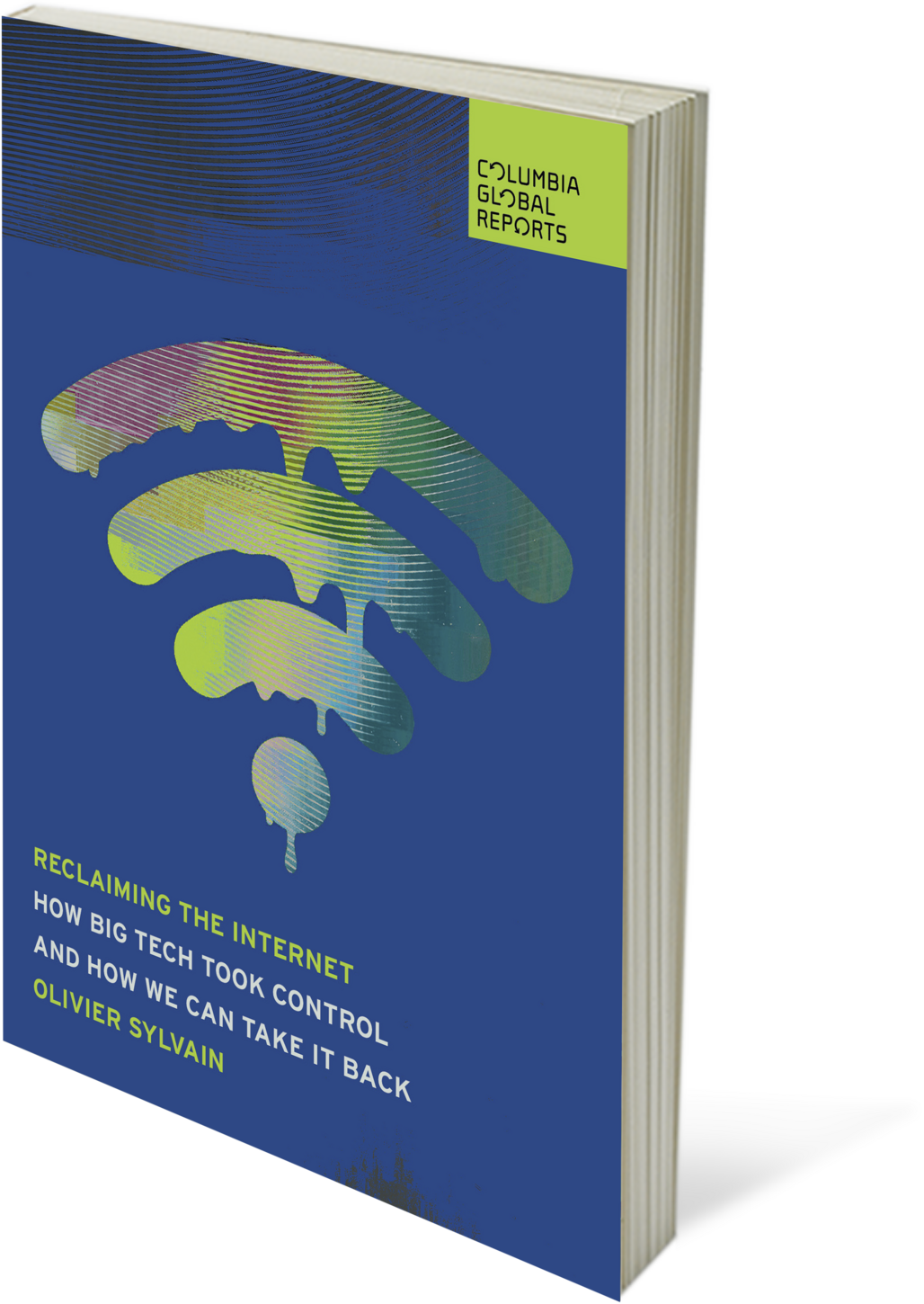



Be the Most Interesting Person
in the Room
Subscribe to Columbia Global Reports Books
Find new ways of looking at the world with Columbia Global Reports. Our $85 subscription includes six paperbacks mailed in advance of publication directly to your doorstep.

Support Our Work
If you believe in the power of journalism to shape our world, we invite you to join our vibrant community of supporters. Your contribution will enable CGR to continue publishing compelling stories that illuminate global challenges and empower global citizens.
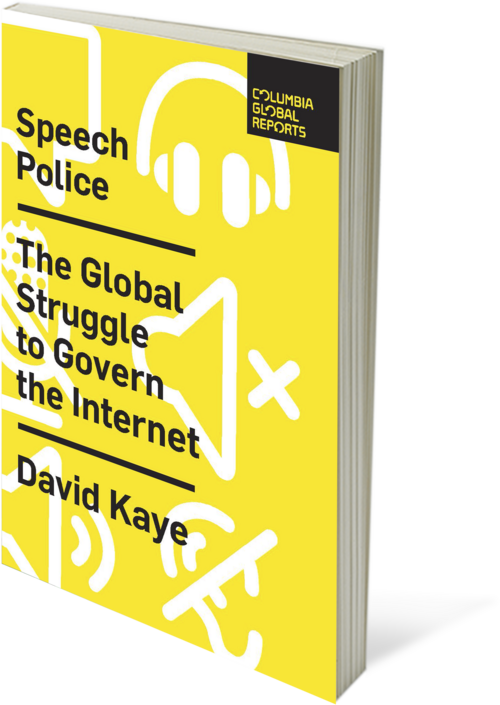
Stay in Touch
Subscribe to our regular newsletter to stay informed about our upcoming books, author events, and more.

Columbia Global Reports is a nonprofit publishing imprint from Columbia University that commissions authors to produce works of original thinking and on-site reporting from all over the world, on a wide range of topics.


© 2026 The Trustees of Columbia University in the City of New York. All Rights Reserved|
Site by ALINE, A Marketing Company