


Cuba in War Time
By Richard Harding Davis
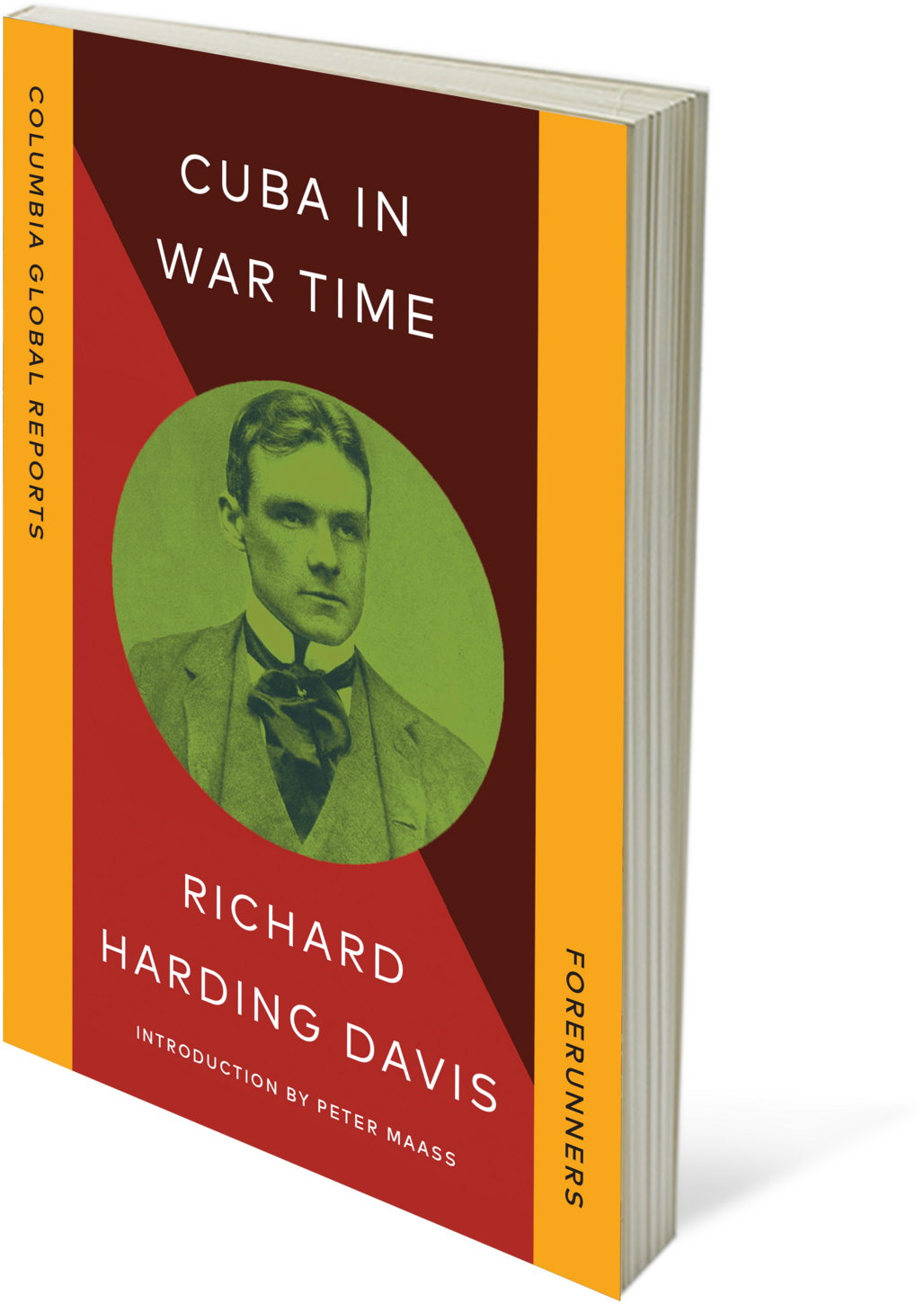
A pioneering foreign correspondent, Richard Harding Davis delivers a gripping eyewitness account of Cuba’s fight for independence from Spain. With vivid battlefield reporting and a sharp eye for the human cost of war, Davis captures the brutal conditions of guerrilla warfare and the resilience of those caught in the conflict, offering an unfiltered look at a pivotal moment in global history.
$18.00
ISBN: 9781967190041
ebook ISBN: 9781967190058
On Sale: September 30, 2025
Pages: 96
Overview
Initially published in 1897, Cuba in War Time brought readers onto the battlefields with a style that was urgent, immersive, and unmistakably modern. Richard Harding Davis, the most famous journalist of his generation, filed vivid, morally charged dispatches, capturing everything from Spanish atrocities to the execution of a young Cuban rebel, and helped transform frontline reporting into a new literary form and a potent political force. Davis’s work helped ignite public support for the Spanish-American War, and his account of the Battle of San Juan Hill turned a young Theodore Roosevelt into a national hero. Yet his work often blurred the line between fact and spectacle, revealing how easily journalism could be swept into the causes it chronicled.
This edition reexamines Davis’s legacy with a searching new introduction by Peter Maass, a celebrated war reporter himself. A foundational text in the history of American media, Cuba in War Time remains as gripping and unsettling as the events it describes.
Read CGR Director Nicholas Lemann’s Letter to the Reader about the Forerunners series
No Upcoming Events
The complete Forerunners series
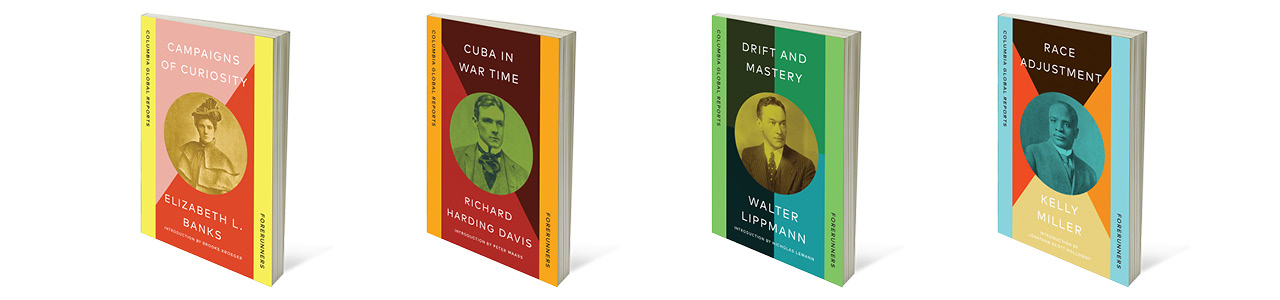
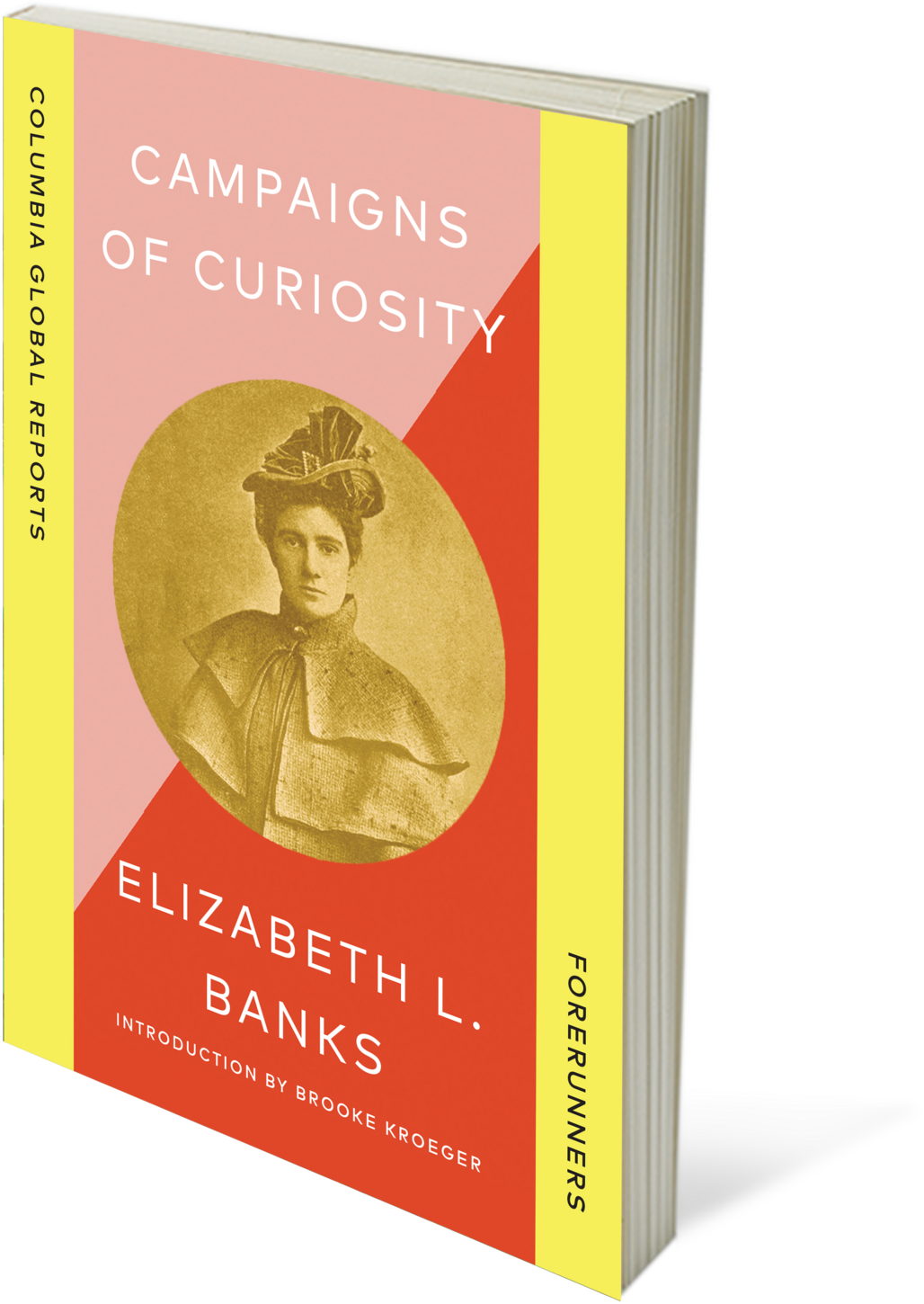
Campaigns of Curiosity: Journalistic Adventures of an American Girl in London (1894)
by Elizabeth L. Banks, with an introduction by Brooke Kroeger
A nineteenth-century Barbara Ehrenreich, Elizabeth Banks went undercover in England’s working world, taking on low-wage jobs to expose the realities of women’s labor. From domestic service to factory floors, her bold and witty writing stands as an early feminist statement, confronting rigid societal norms and advocating for women’s rights in Victorian Britain. Learn more
Cuba in War Time (1897)
by Richard Harding Davis with an introduction by Peter Maass
A pioneering foreign correspondent, Richard Harding Davis delivers a gripping eyewitness account of Cuba’s fight for independence from Spain. With vivid battlefield reporting and a sharp eye for the human cost of war, Davis captures the brutal conditions of guerrilla warfare and the resilience of those caught in the conflict, offering an unfiltered look at a pivotal moment in global history. Learn more
Race Adjustment: A Selection (1908)
by Kelly Miller, with an introduction by Jonathan Scott Holloway
Mathematician, sociologist, and leading Black intellectual Kelly Miller presents a compelling series of essays addressing the systemic racial injustices of his time. Advocating for self-empowerment and strategic advancement, Miller’s work offers prescient critiques of inequality and forward-thinking solutions that remain deeply resonant in ongoing conversations about race and justice. Learn more
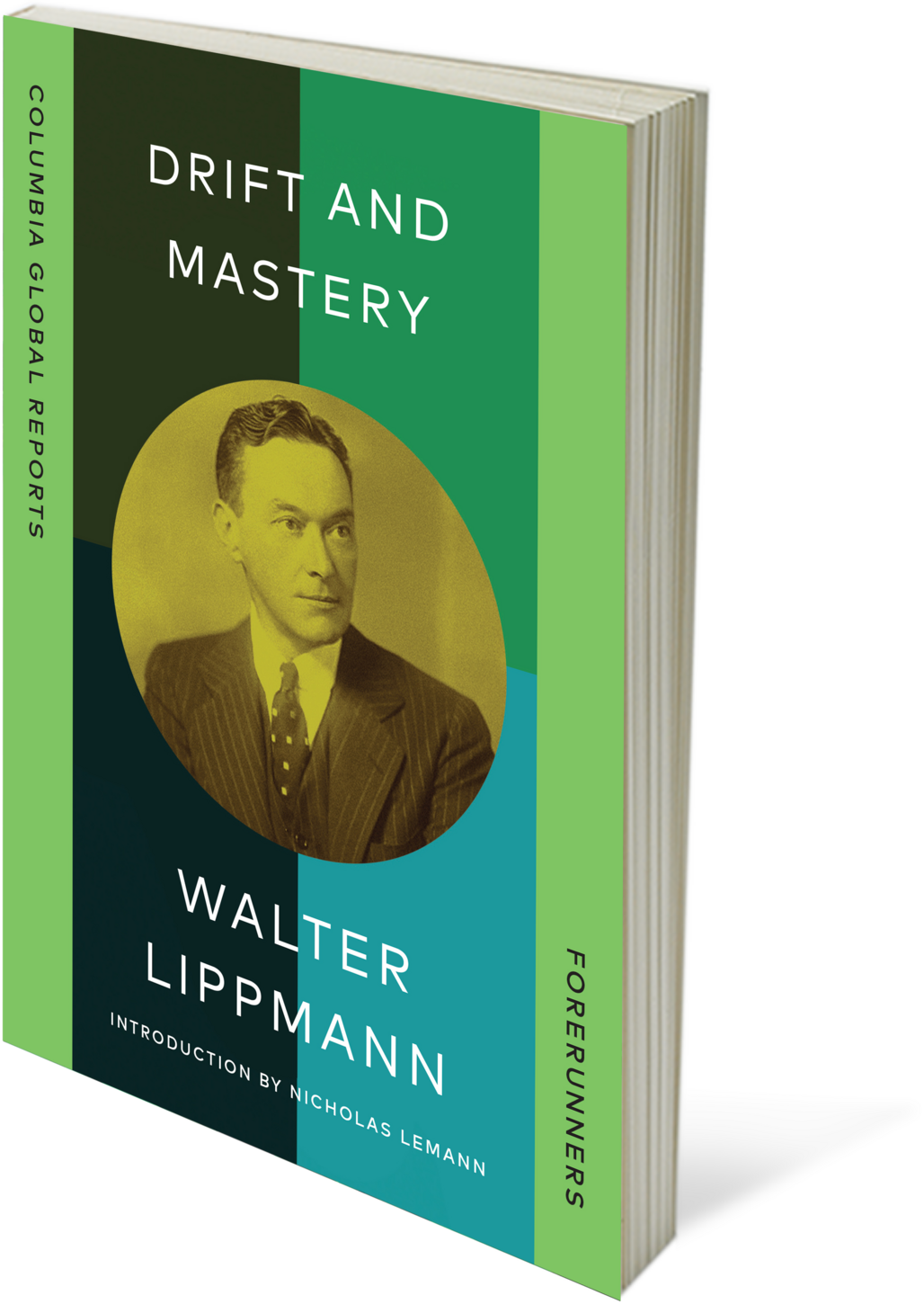
Drift and Mastery: An Attempt to Diagnose the Current Unrest (1914)
by Richard Harding Davis with an introduction by Peter Maass
A landmark of progressive social thought, Walter Lippmann’s Drift and Mastery argues for a rational, scientific approach to governance as a counter to the inefficiencies of an increasingly chaotic society. His call for informed leadership and deliberate reform established him as a leading public intellectual—and his insights on democracy and political responsibility remain as urgent today as they were a century ago. Learn more
About the Author
Richard Harding Davis (1864–1916) was the most prominent American correspondent of his era, covering the Spanish-American War, Second Boer War, Russo-Japanese War, and World War I. He helped shape public support for US intervention in Cuba and later served as managing editor of Harper’s Weekly. He also published a wide range of popular novels, plays, short stories, and travel books, including Soldiers of Fortune, Gallegher and Other Stories, and Notes of a War Correspondent.
Peter Maass is the author of Love Thy Neighbor: A Story of War, which won a Los Angeles Times book prize and the Overseas Press Club’s book prize, and Crude World: The Violent Twilight of Oil, a finalist for the New York Public Library’s award for excellence in journalism. A recipient of the Guggenheim Fellowship, he has written about war, media, and national security for The New York Times Magazine, The New Yorker, The Washington Post, and The Intercept.

Similar Titles

Be the Most Interesting Person
in the Room
Subscribe to Columbia Global Reports Books
Find new ways of looking at the world with Columbia Global Reports. Our $85 subscription includes six paperbacks mailed in advance of publication directly to your doorstep.

Support Our Work
If you believe in the power of journalism to shape our world, we invite you to join our vibrant community of supporters. Your contribution will enable CGR to continue publishing compelling stories that illuminate global challenges and empower global citizens.
Stay in Touch
Subscribe to our regular newsletter to stay informed about our upcoming books, author events, and more.

Columbia Global Reports is a nonprofit publishing imprint from Columbia University that commissions authors to produce works of original thinking and on-site reporting from all over the world, on a wide range of topics.


© 2026 The Trustees of Columbia University in the City of New York. All Rights Reserved|
Site by ALINE, A Marketing Company