
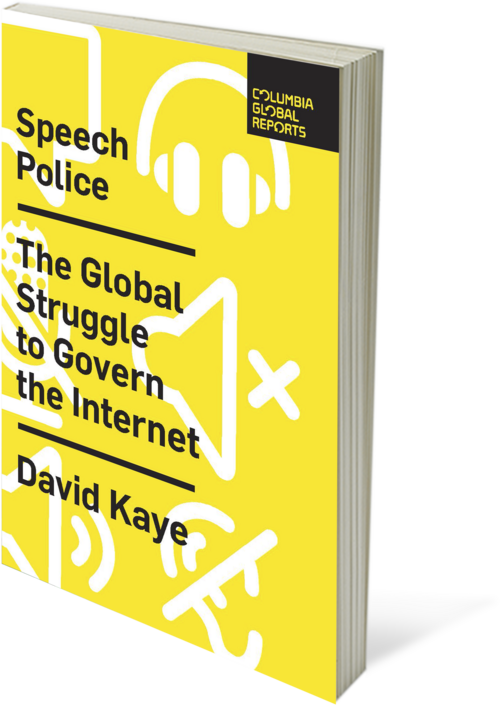
Speech Police
Dear Reader,
The internet was designed to be a kind of free-speech paradise, a medium where anybody in the world could say anything to a global audience. This wasn’t merely a technological capability; it was a social vision. Then two things happened. As should not have been surprising, some of the material people post on the internet turned out to be quite disturbing: incitements to violence, the deliberate spreading of untruth, the enabling of terrorist networks. And very big, very rich private companies like Google and Facebook became the way most of the world experiences the internet—and therefore the conveyors of much of its disturbing material.
What should we do about this unexpected and enormous problem? In the United States, the air is full of calls for the major internet companies to do a better job of policing the content they host. In Europe, the calls are more for regulation of internet content by national governments or international organizations. In authoritarian countries around the world, governments are censoring not only hate speech and fake news, but also any criticisms of themselves.
David Kaye, a law professor who serves as the United Nations’ special rapporteur on free expression, has been living deep inside the emerging world of internet governance for years. In Speech Police, he brings us the most comprehensive and insightful treatment of the subject that anyone has written thus far. Combining his own experience with vivid closeups of a wide range of internet players—from protestors in Kenya and Myanmar to content regulators at Facebook’s headquarters—he brings clarity and urgency to an issue that demands them. Kaye is insistent on our maintaining the internet’s original commitment to free speech, free of any company’s or government’s absolute control, while finding ways to modulate its worst aspects. Speech Police is an inspiring call to action.
Sincerely,

Nicholas Lemann
Director, Columbia Global Reports
Stay in Touch
Subscribe to our regular newsletter to stay informed about our upcoming books, author events, and more.

Columbia Global Reports is a nonprofit publishing imprint from Columbia University that commissions authors to produce works of original thinking and on-site reporting from all over the world, on a wide range of topics.


© 2026 The Trustees of Columbia University in the City of New York. All Rights Reserved|
Site by ALINE, A Marketing Company