


The Fed Unbound
Dear Reader,
As soon as Covid-19 became a pandemic, in the late winter of 2020, the global economy went into a severe, terrifying tailspin, which looked as if it might become a recession or depression surpassing the 2008 financial crisis. But then the tailspin ended. Of all the problems the pandemic has brought us, an economic collapse, which was a real possibility, has not been among them.
The primary reason economic crisis was averted is that the Federal Reserve took immediate and extreme action, well beyond even what it did in 2008. The Fed has the power to create money, and that is what it did—in the first month of the pandemic, $3 trillion in loans to and purchases of assets from financial institutions. The Fed also lent to businesses, to state and local governments, and to the central banks of other countries from Japan to Europe to Mexico. An assessment of the full extent of the Fed’s activities has been almost completely missing from press coverage and public discussion of the pandemic, the economy, and even of the Fed specifically.
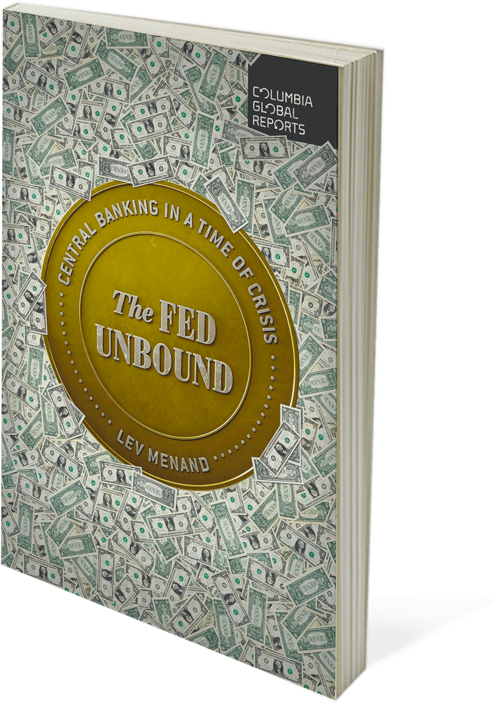
In The Fed Unbound, Lev Menand, a brilliant young legal scholar and former Treasury official, lays out exactly what the Fed did. The scale and scope of its activities are stunning, but Menand’s mission goes far beyond just explaining what the Fed did. He argues that the Fed went significantly beyond the bounds of its legal authority—and, more broadly, that using the Fed as our primary instrument of economic policymaking further skews our economy in favor of the rich. The economic divide in pandemic experience between people who own financial assets and people who don’t is stark.
Most people who have noticed what the Fed did during the pandemic have applauded it, because it staved off disaster. Menand’s take is far more provocative.
Best,

Nicholas Lemann
Director, Columbia Global Reports
Stay in Touch.
Subscribe to our regular newsletter to stay informed about our upcoming books, author events, and more.

Columbia Global Reports is a nonprofit publishing imprint from Columbia University that commissions authors to produce works of original thinking and on-site reporting from all over the world, on a wide range of topics.


© 2026 The Trustees of Columbia University in the City of New York. All Rights Reserved|
Site by ALINE, A Marketing Company