
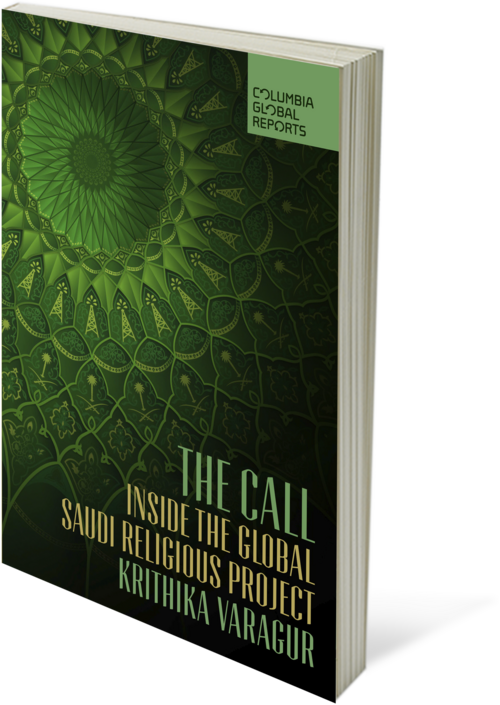
The Call
Dear Reader,
In the 1970s, Saudi Arabia, flush with the wealth generated by large increases in the price of oil, launched a project to expand its influence by funding the global spread of Wahhabism, its brand of Islam. Over the years this has become a vast project—it’s the Saudi version of China’s infrastructure-building campaign, or the United States’s projection of military power.
The problem is that the Saudi religious mission matches a great deal of money to a very low degree of central control. That means the Saudi government has wound up funding religious organizations that have turned extreme and violent, even if that wasn’t its intention. In The Call, Krithika Varagur, a brilliant young reporter, has doggedly pieced together the entire picture of Saudi religious funding and its effects, more thoroughly than any other journalist has done. Reporting from three widely dispersed sites—Indonesia, Nigeria, and Kosovo—Varagur shows us an elaborate machine that has spun out of control.
One of the virtues of The Call is that Varagur is so well versed in the complexities of Islam. She does not traffic in stereotypes, and she carefully distinguishes among a large number of religious traditions that often are unfairly lumped together. That only makes the overall message of The Call more alarming—it’s earned, not automatic.
Sincerely,
Nicholas Lemann
Director, Columbia Global Reports
Stay in Touch
Subscribe to our regular newsletter to stay informed about our upcoming books, author events, and more.

Columbia Global Reports is a nonprofit publishing imprint from Columbia University that commissions authors to produce works of original thinking and on-site reporting from all over the world, on a wide range of topics.


© 2026 The Trustees of Columbia University in the City of New York. All Rights Reserved|
Site by ALINE, A Marketing Company